


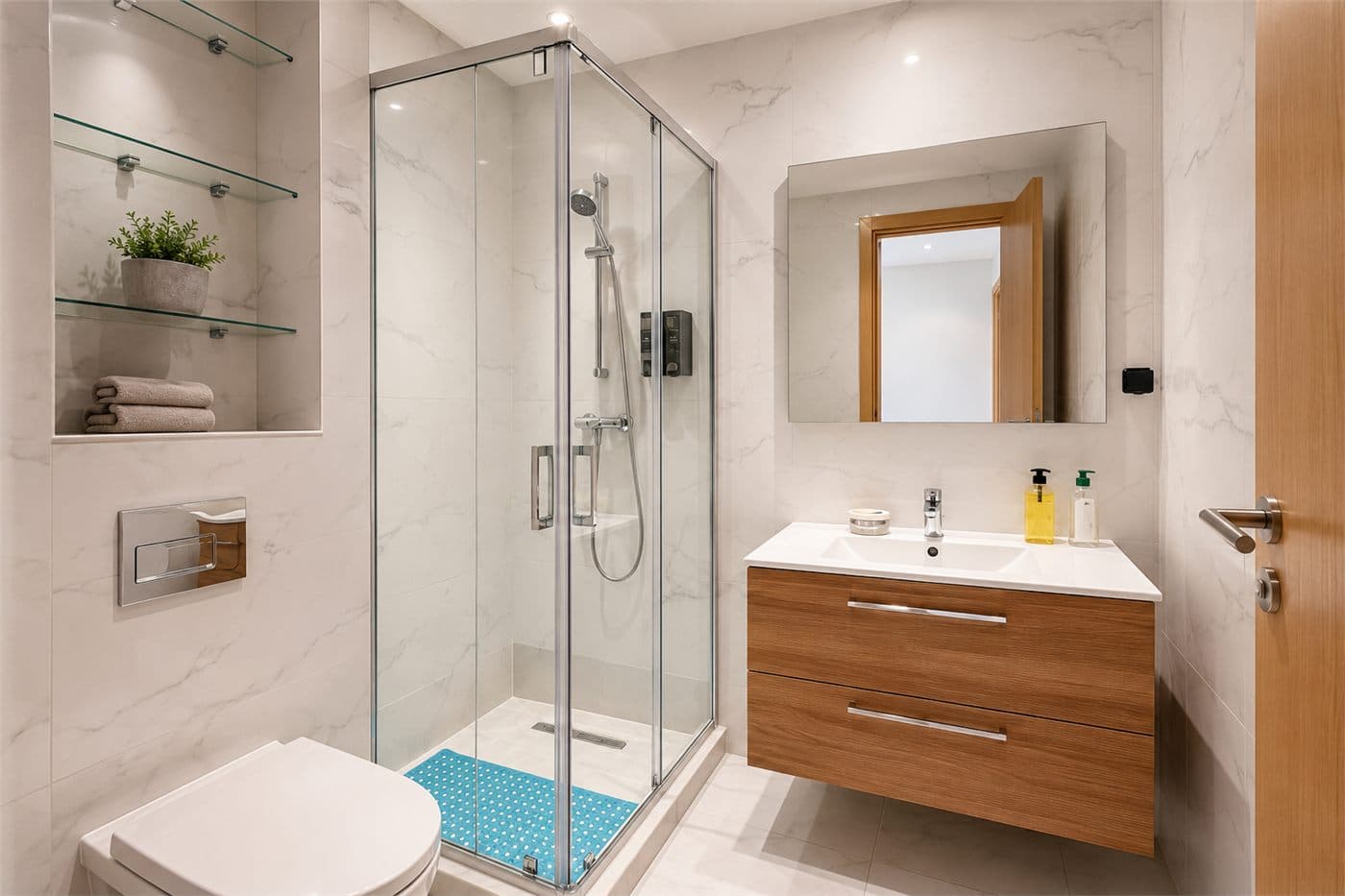
A guest's review starts taking shape well before departure. Pre-arrival messages set expectations, the experience at the door confirms them, and each interaction during the stay adds to the overall impression. Even a good property can disappoint if access is confusing; clear arrangements help guests feel confident before they see the rooms.
The aim is not to send more messages or promise a perfect experience. It is to anticipate likely questions, check the essentials and respond when a situation genuinely needs attention.
Key takeaway: good check-in arrangements let guests arrive without unnecessary stress while making it clear who to contact if something goes wrong.
Prepare guests before they travel
A smooth arrival begins with information sent at the right time. Share the full address, useful landmarks, parking details and any particular building arrangements before guests set off. If access involves a caretaker, a time restriction or a key handover, explain the process clearly.
Avoid long, dense messages. Arrange the information in the order guests will use it: reaching the neighbourhood, finding the entrance, collecting the keys, entering the property and connecting to Wi-Fi. A clear photograph of the entrance can be more useful than an ambiguous description.
Ask for an estimated arrival time without making guests feel monitored. This helps coordinate cleaning, keys and team availability. For self check-in, test the access system after any work that might have changed a code, lock or key location.
Pay attention to the first few minutes
On arrival, guests look for immediate reassurance: the property matches the listing, access works, the rooms are ready and essential information is easy to find. Clear lighting, an uncluttered entrance and a comfortable room temperature help them settle in.
Keep the welcome guide concise. Put essential instructions first: hot water, heating or air conditioning, locking up, waste and building rules. Restaurant and sightseeing recommendations can follow.
For an in-person handover, keep the introduction practical. Explain any unusual equipment, answer questions and then give guests space. A lengthy tour after a journey can be tiring rather than helpful.
Check cleanliness and practical details
Guests often assess cleanliness through specific details: linen, bathrooms, kitchens, floors, smells and frequently touched surfaces. Support the cleaning checklist with a visual inspection before arrival. Use it to check lighting, remote controls, Wi-Fi and initial supplies too.
Simple details matter: neatly arranged towels, sufficient crockery, clean bins and clearly identifiable basic supplies. There is no need to fill the property with extras. A consistent, repeatable preparation process is more reliable than touches the team cannot sustain between every stay.
Our property preparation checklist explains how to organise these checks room by room.
Communicate throughout the stay
After arrival, a short message can check that access went smoothly. Give guests an opportunity to reply without requiring a conversation. Keep subsequent exchanges on the agreed channel so the owner and operational team can follow the history.
When someone reports a problem, confirm your understanding, explain the next action and give a realistic timescale. A quick reply without a clear solution is not enough; a solution delivered late without updates can also cause frustration. Guests need to know who is handling the issue and when to expect news.
Non-urgent requests can be grouped, while issues involving access, water, electricity, safety or essential equipment need prompt assessment. These arrangements form part of the guest coordination offered by Excellence Conciergerie.
Learn after departure
Inspect the property before requesting a review. A thank-you message can invite guests to describe their experience, without suggesting a rating or offering a benefit in return. Give private feedback the same attention as public reviews: it often reveals something worth fixing before the next stay.
Separate feedback into one-off incidents, recurring issues and personal preferences. One-off incidents call for a targeted correction. Recurring issues may require changes to the property, guide or process. Personal preferences do not always justify a change, but they can reveal expectations the listing did not address.
This feedback loop turns stays into useful operational information. Read reviews of Excellence Conciergerie to see what clients highlight. If your property has not launched yet, an initial income estimate can help identify priorities before the first booking.