


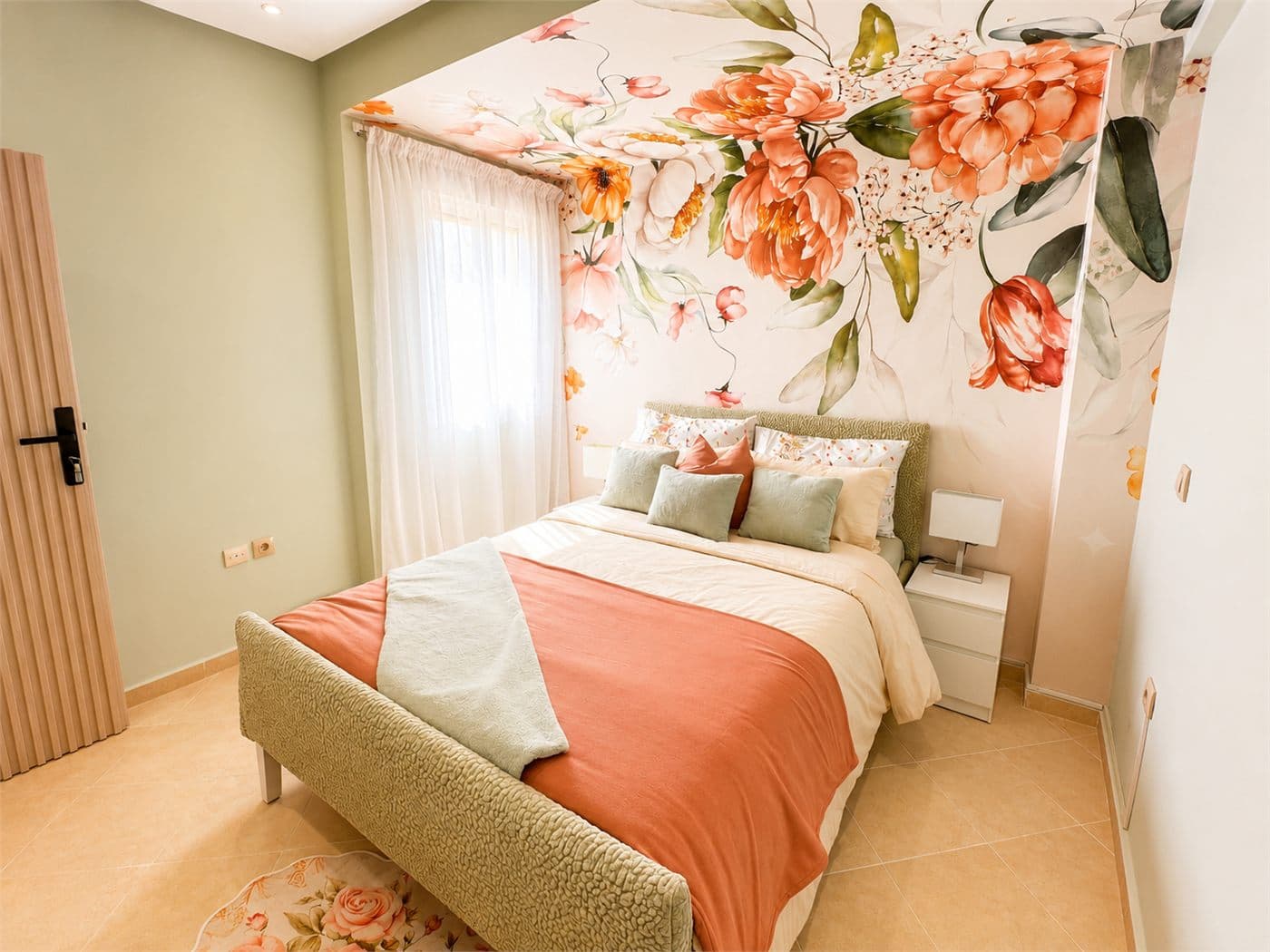
A property can be pleasant to live in and still be poorly prepared for short-term rentals. Guests discover it quickly, often after a journey. They expect to understand immediately where to sleep, how to connect to Wi-Fi, where to put their belongings and how to use essential equipment.
Preparation is not about adding decorative objects. It is about making everyday tasks straightforward, reducing repeated questions and helping the team work efficiently between stays.
Key takeaway: before publishing the listing, ask someone unfamiliar with the property to check that they can enter, find important information and use the equipment without constant assistance.
Start before the photographs
Photographs cannot fix clutter, unclear sleeping arrangements or awkward access through rooms. Before the shoot, establish exactly what guests are booking: capacity, available beds, accessible rooms and equipment that is genuinely usable.
Remove fragile personal belongings, expired products and furniture that blocks movement. Then check that the space supports the advertised capacity. A property sleeping six needs six suitable sleeping places, but also a practical arrangement for dining, washing and storing belongings.
Consistency matters more than quantity. A simple, complete kitchen is more useful than one full of incomplete utensils. A straightforward bedroom with a good lamp, accessible sockets and effective curtains is more practical than impressive decoration that gets in the way.
Check the property room by room
In bedrooms, inspect mattresses, protectors, pillows, lighting, curtains and storage. Prepare every advertised bed to the same standard, and make clean towels easy to find.
In bathrooms, check water pressure, drainage, hot water, seals, lighting and doors. Small leaks and unstable fittings can quickly become irritating during a stay.
In the kitchen, test appliances rather than simply checking that they are present. Anything advertised should work and have its necessary accessories. Group crockery by use and avoid excessive mismatched items that make inventory checks difficult.
In the living area, check seating, the internet connection, remote controls and sockets. Guests should be able to find the Wi-Fi name and password without sending a message.
A basic checklist includes:
- beds, protectors and linen suitable for the advertised capacity;
- towels, bathmats and initial supplies;
- enough plates, glasses and cutlery;
- Wi-Fi tested in several rooms;
- working lights and sockets;
- simple instructions for important appliances;
- a photographic inventory of equipment and furniture.
Prepare a straightforward arrival
The experience starts before the door opens. Provide a complete address, a clear arrival point and instructions suited to the neighbourhood. If the building has several entrances, a caretaker or particular parking arrangements, explain these before guests travel.
Test access under realistic conditions: a phone with little battery, a late arrival or limited mobile data. A process that only works while the owner is available is not robust enough.
Prepare a short welcome guide covering access, Wi-Fi, hot water, heating or air conditioning, waste, essential rules and a contact for problems. Local recommendations can follow.
Our guide to improving guest reviews through check-in explores this stage in more detail.
Organise quality checks
Cleaning should not be the only check between bookings. A full changeover also checks damage, missing items, bulbs, batteries, Wi-Fi, smells, supplies and the presentation of beds.
Use a consistent checklist, supported by photographs of sensitive areas. It helps distinguish completed work from assumptions. Flag issues by priority: fix before arrival, arrange promptly, or monitor.
At Excellence Conciergerie, these checks form part of property preparation and the coordination described in our short-term rental management services.
Avoid common mistakes
The first mistake is publishing too early and waiting for guests to point out problems. Early stays can help refine details; they should not reveal that essential equipment does not work.
The second is promising more than is actually available. An accurate listing may attract fewer clicks than an exaggerated one, but it reduces disappointment and conflicting expectations.
The third is preparing the property around the owner's habits. Guests do not know the unusual switches, neighbourhood schedules or building customs. Reconsider everything that feels obvious to a regular occupant from the perspective of a first arrival.
Finally, record adjustments. Good preparation evolves with feedback, incidents and equipment changes. It is not a checklist completed once and forgotten.
Before publishing, request an initial rental income estimate to connect the property's preparation with a realistic market position.